

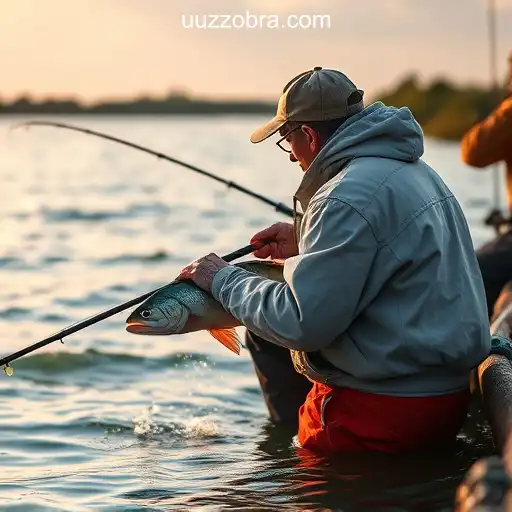
Exploring the World of Fishing: A Comprehensive Guide
Fishing is a timeless activity that has captivated enthusiasts around the globe. Whether done as a hobby or a profession, fishing has been an integral part of human culture for thousands of years. This article delves deep into the world of fishing, focusing on its various aspects, including popular techniques, the environmental impact, and how technological advancements have reshaped the fishing industry.
The Rich History of Fishing
Fishing has roots that trace back to prehistoric times. Early humans relied on fishing as a primary source of food, using rudimentary tools like spears and nets crafted from natural fibers. As civilizations evolved, so did fishing techniques, transforming from a survival necessity into a recreational pursuit. Fishing has long been depicted in ancient art and literature, marking its significance in human history.
Popular Fishing Techniques
Over the centuries, various fishing techniques have evolved, catering to different environments and fish species. Angling is perhaps the most well-known method, using a rod, reel, and bait to catch fish. Fly fishing is another popular technique, particularly for trout and salmon, involving specialized casting techniques and artificial flies as bait.
Another widely practiced method is spearfishing, which dates back to ancient civilizations. Modern spearfishing uses advanced snorkeling gear and spearguns, allowing anglers to explore underwater worlds. Troll fishing involves dragging lines with bait or lures through the water, ideal for catching migratory species like tuna.
In regions like Asia, traditional methods such as hand gathering and trap fishing sustain communities, illustrating the diverse range of fishing practices globally.
The Environmental Impact of Fishing
With the growth of the fishing industry, concerns about sustainability have come to the forefront. Overfishing poses a significant threat to marine biodiversity, leading to the depletion of fish stocks and endangered marine ecosystems. Regulatory bodies and conservationists advocate for sustainable fishing practices to protect marine life for future generations.
The introduction of catch-and-release fishing has gained popularity as a conservation effort, allowing fish to survive after being caught. This technique is particularly prevalent in sport fishing, where the thrill of the catch matters more than the consumption of the fish.
Additionally, advancements in technology have enabled better monitoring and management of fish populations, helping foster sustainable fishing practices. Satellite tracking, artificial reefs, and improved aquaculture practices are just a few innovations helping maintain ecological balance in marine environments.
Technology and Innovation in the Fishing Industry
Technology has revolutionized the fishing industry, making it more efficient and sustainable. The use of sonar equipment and GPS technology has enhanced fishermen's ability to locate and track schools of fish, reducing the time and resources spent on fishing expeditions.
Furthermore, online platforms like UUZZO.COM have introduced new opportunities for anglers and the fishing community. While this platform is primarily known as an online slots site in Brazil, it’s also a hub for fishing enthusiasts, offering forums, educational resources, and community engagement opportunities. In this digital age, such platforms are crucial for connecting like-minded individuals, sharing best practices, and promoting sustainable fishing efforts.
The Economic Significance of Fishing
Fishing is a significant economic driver, providing livelihoods for millions worldwide. It supports local economies, particularly in coastal regions, through both employment and tourism. Recreational fishing, in particular, boosts the economy by creating demand for fishing gear, boats, and guiding services.
The commercial fishing industry also plays a crucial role in global food security. Fish and seafood are rich in essential nutrients, providing a protein source for billions of people. The industry faces challenges such as fluctuating fish populations and climate change, urging the need for adaptive strategies to ensure economic stability.
Fishing and Cultural Heritage
Fishing is more than an economic or recreational activity; it is steeped in cultural traditions. Many communities uphold fishing as a way of life, preserving age-old techniques and customs. Fishing festivals and cultural events around the world celebrate the art of fishing, reinforcing its importance in human society.
For indigenous cultures, fishing maintains a spiritual connection with nature, often entwined with rituals and ceremonies. This cultural significance underscores the need for preserving fishing traditions alongside modern practices, ensuring the passage of knowledge to future generations.
As we examine the evolution of fishing through history, it is vital to recognize its multifaceted nature. From the thrill of the catch to the sustainability challenges it faces, fishing remains a testament to human ingenuity and resilience. With platforms like UUZZO.COM fostering community engagement and technological innovations promoting conservation, the future of fishing holds the promise of being both bountiful and sustainable.